Operations and Engineering
Writing from the Botpylon engineering and operations team on warehouse robotics, multi-vendor fleet coordination, congestion-aware dispatch design, and the operational realities of running large robot fleets in fulfillment centers.
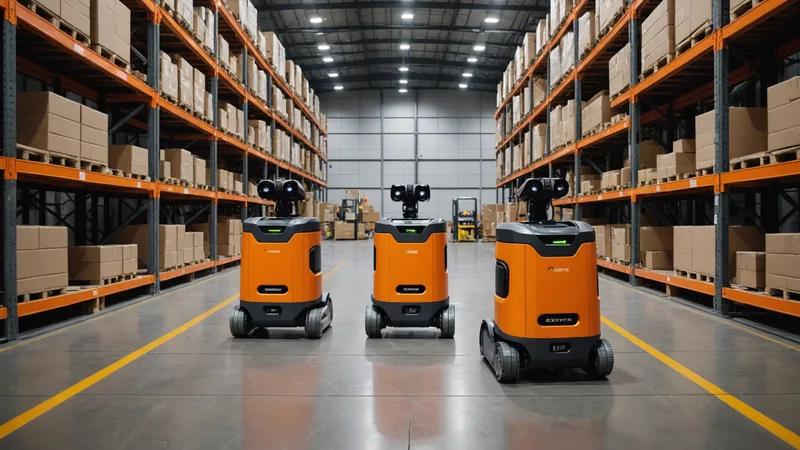
Reducing Aisle Congestion in Mixed AMR Fleets: What the Data Shows
When multiple robot vendors share the same aisle, static pick sequences create predictable collision hotspots. Here is what congestion-aware dispatch changes in practice.

Pick-Path Batching vs Zone Balancing: Choosing the Right Strategy for Your Floor
Batching groups orders to minimize robot travel. Zone balancing distributes robots to avoid hotspots. For most fulfillment centers, the answer is both, in sequence.
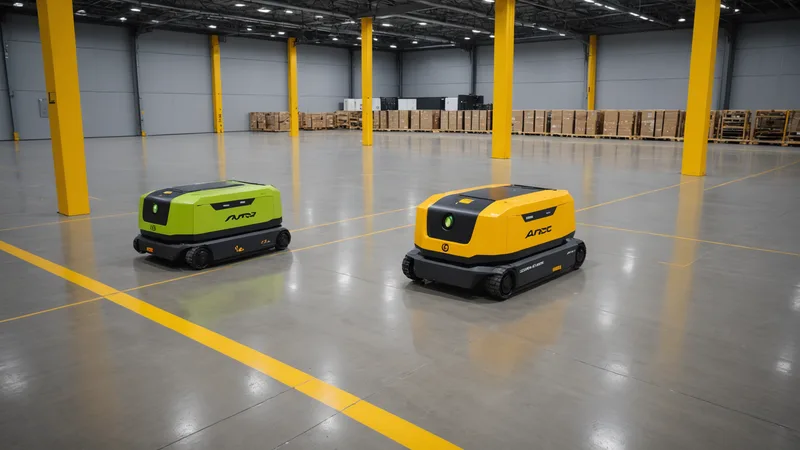
How We Built the Fleet Adapter Layer: Connecting AMRs and AGVs to a Single Dispatch Brain
Different robot vendors expose wildly different APIs. Here is the architecture we use to normalize them into one unified task interface.

Warehouse Orchestration Is Not Your WMS: What Each System Actually Does
WMS tells you what to pick. Orchestration tells each robot how to get there without crashing into the other 150 robots already moving. These are different problems.

Designing a Real-Time Floor Graph Engine for Sub-300ms Dispatch Decisions
The floor graph is the core data structure that makes congestion-aware routing possible. Here is how we keep it current and queryable in under 300 milliseconds.
How to Calculate Robotics Orchestration ROI for a 3PL Operation
The ROI of better dispatch is not just pick rate. It includes robot utilization, labor reallocation, maintenance reduction, and peak season capacity. A practical calculation framework.

The Vendor-Locked Orchestration Problem: Why Robot Vendor Software Is Not Enough
Every major AMR vendor ships their own fleet management software. The problem is that software only works with their robots. A 3PL running 3 vendors needs 3 systems, or one fleet-agnostic layer.

Using Reinforcement Learning to Predict Warehouse Floor Congestion
Static congestion maps go stale within hours. We trained a policy that updates path weights dynamically based on robot density, task queue depth, and historical hotspot patterns.
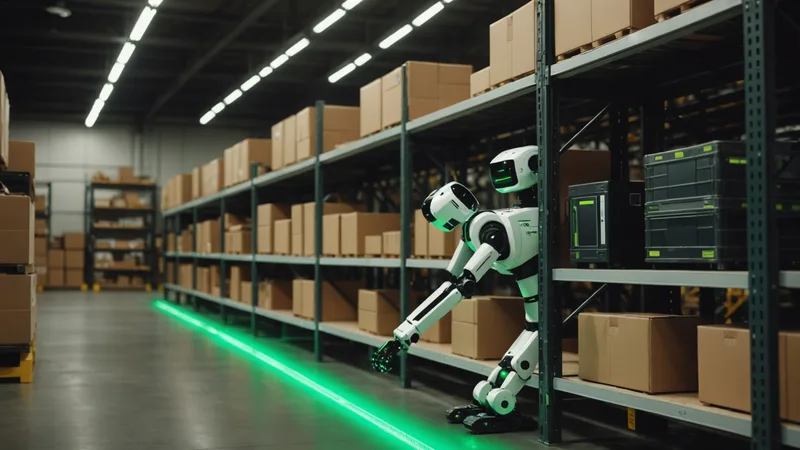
Pick-to-Light vs AMR-Guided Picking: Coordination Differences That Matter
The operational coordination logic for stationary light-guided systems and mobile AMR fleets is fundamentally different. Here is what changes when you mix both on the same floor.
WMS Integration Should Take Days, Not Months: How We Cut Connector Time to Under a Week
Most WMS integration projects get quoted at 3-6 months. We built a connector framework that handles standard WMS REST APIs in 3-5 days. Here is the approach.
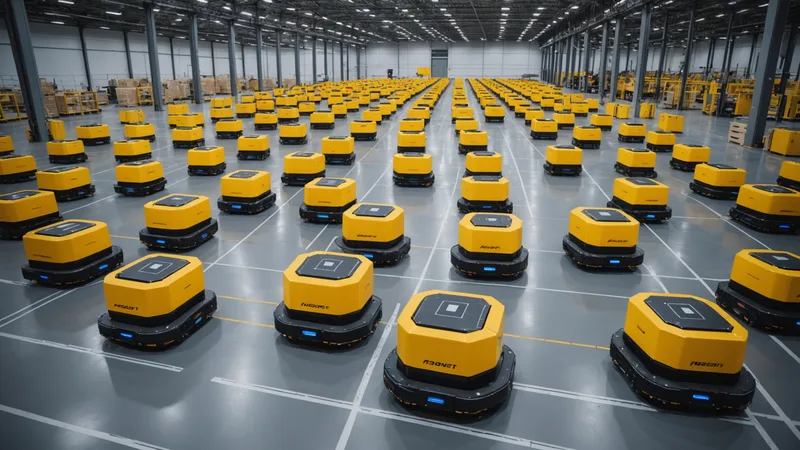
Robot Fleet Utilization Benchmarks: What Good Actually Looks Like in Fulfillment Centers
Industry surveys report average AMR utilization around 65-72% in uncoordinated deployments. Coordinated fleets with dynamic dispatch consistently reach 88-94%. Here is the breakdown.
Why We Founded Botpylon: The Orchestration Gap No Vendor Wanted to Fill
After watching 12 warehouse automation deployments stall at the same point, Maria Vasquez and Jonah Reyes decided the dispatch brain had to be an independent product, not a vendor add-on.